
What is Ashtanga Yoga?


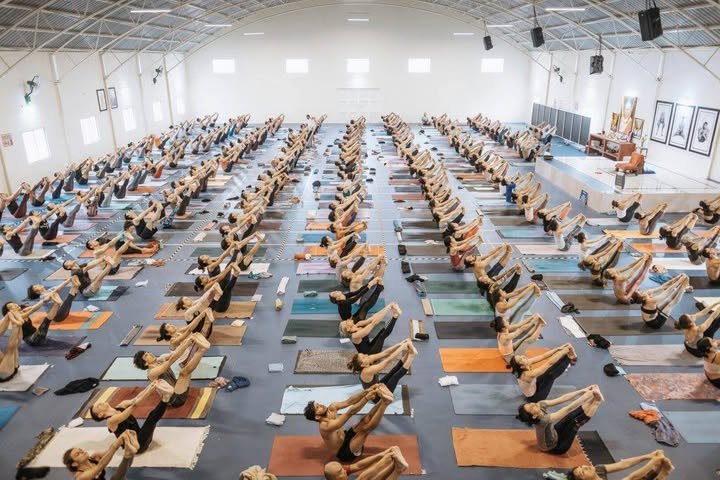
The literal translation of Ashtanga Yoga from Sanskrit can be described as as:
Ashta = Eight
Anga = Limb
Yoga = Yoking, Joining together or Combining to another
“A big part of an Ashtanga practice is not actually visible, it is felt. ”
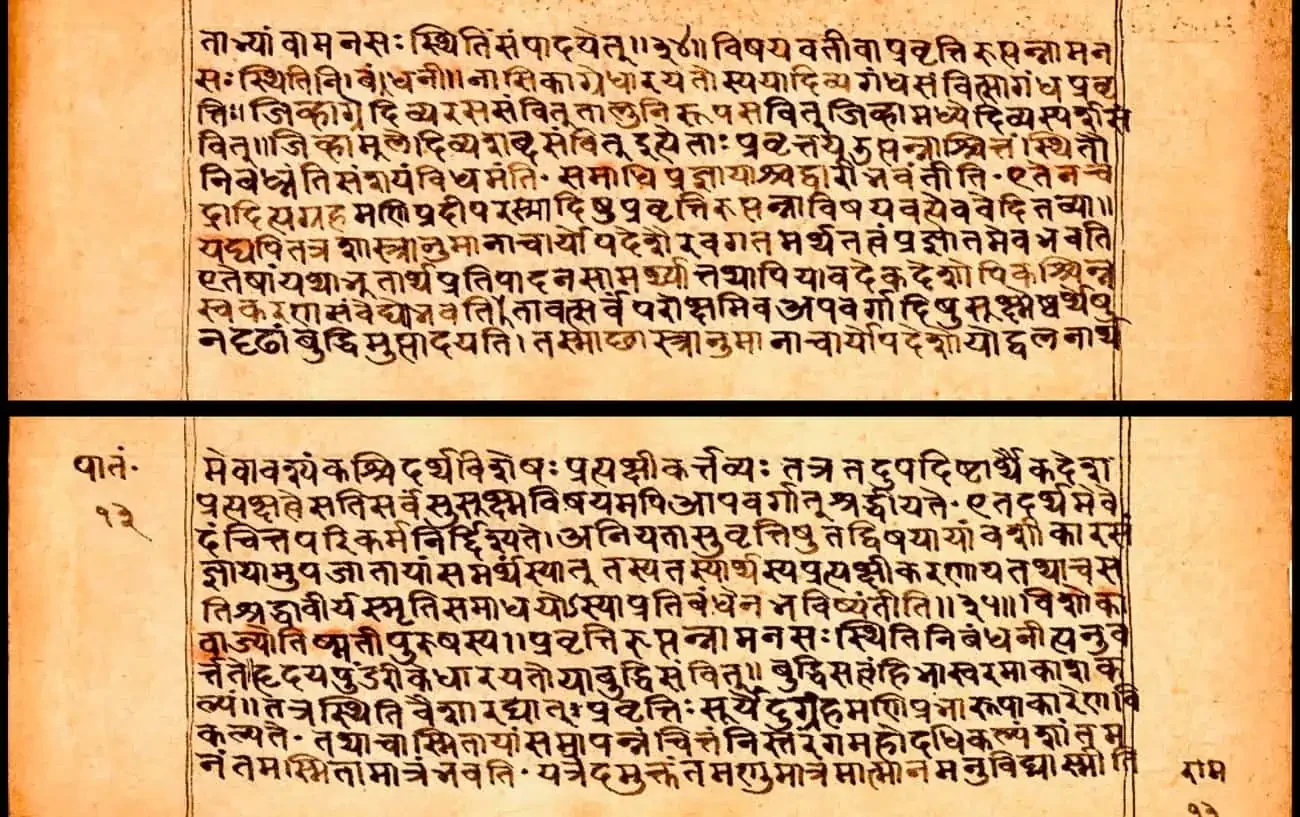
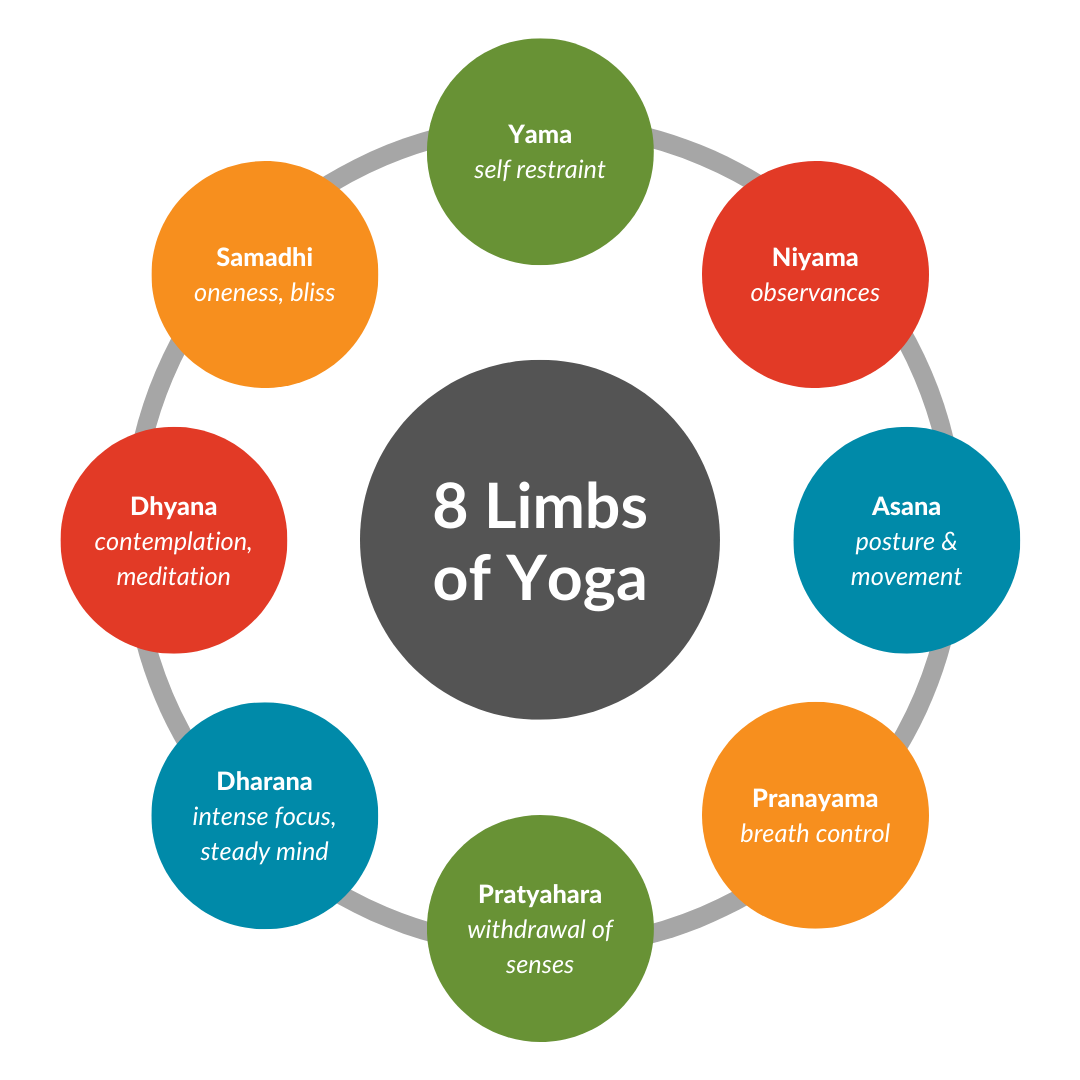
The term Ashtanga Yoga was first seen in an ancient scripture of about 2000 years old. In it it describes the eight limbs that make this path of yoga. Patanjali’s Yoga Sutras breaks the practice of Ashtanga Yoga into two parts, the first 5 limbs are actions to make an effort to do, and the last three limbs esoteric occurrences that result in the constant practice of the earlier limbs, These limbs and sublimes are described as follows:
1) Yama
ahimsa
satya
asteya
aparigraha
brahmacharya
2) Niyama
Saucha
Santosha
Tapas
Swadhyaya
Ishvarapranidhana
3) Asana
4) Pranayama
5) Pratyahara
6) Dharana
7) Dhyana
8) Samadhi
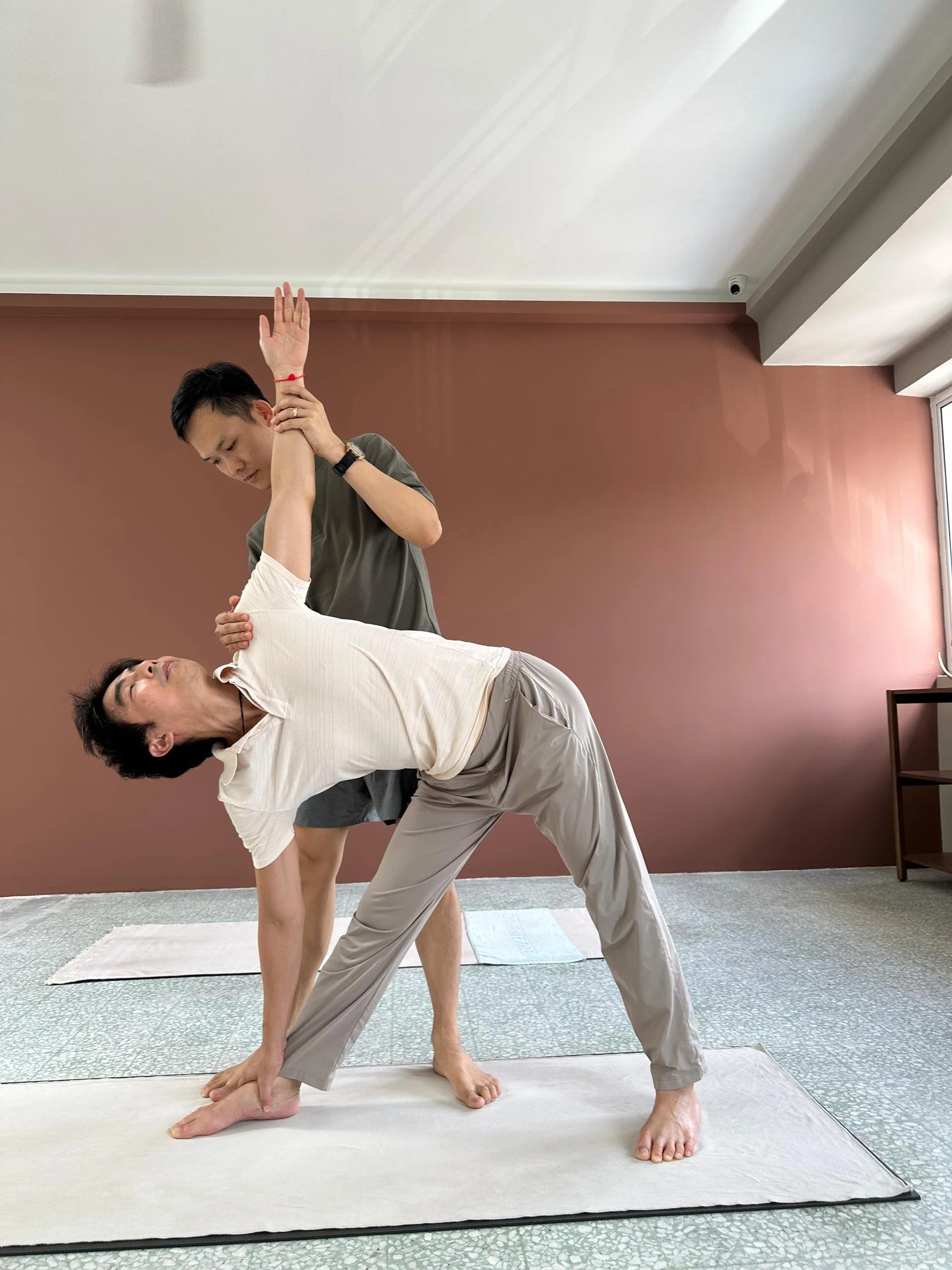
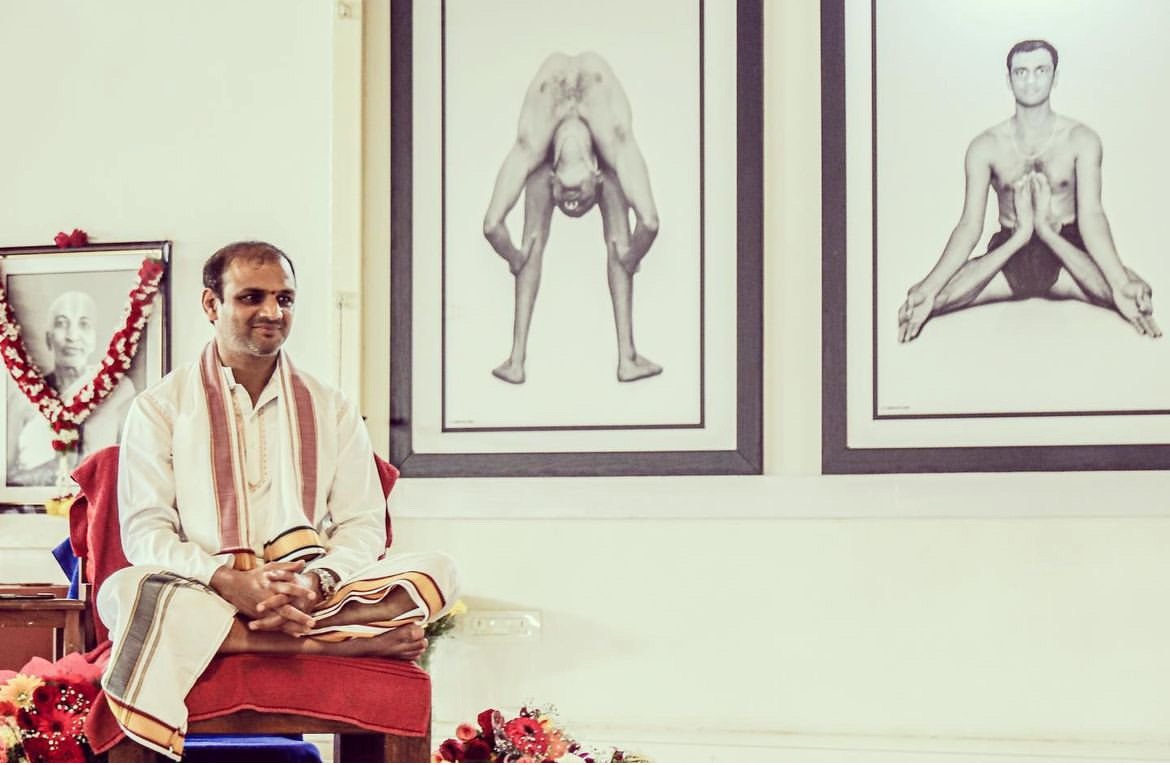
To learn Ashtanga Yoga in this modern day is to learn a method formulated by members of the Jois family in India, whom created several sequences of postures taught gradually on a personalised basis, within the learning of the postures elements that constitute the aspects of the eight limbs, including the descriptions of what ancient scripture mentions are vital yoga practices, are integrated. These include but are not limited to a focus on controlling the breath, making an effort to steady the eyes to develop the skill in focus, moving the body into and out of positions to keep the body healthy and strong, whist cultivating a growing awareness of the self.
The Ashtanga Yoga is now formatted and delivered in a way that comprises of several sequences which fall into either the Primary Series, Intermediate Series and four types of Advanced Series. Each practice involves beginning with Sun Salutations, followed by a Standing sequence, from which a practitioner will then begin the sequence that has been appropriately taught to them directly, until which all students will end their practice with a finishing sequence to cool down the body before resting. The learning is gradual and accommodating, and the actual posture is only the starting point from which many other yoga teachings will begin that aim to leave practitioners closer to attaining a calm mental state and a life improved as a result. No matter what type of sequence or physical practice is being practiced, three symbiotic elements are consistently worked on in tandem, these include the posture, the breath and a focal point (known as a drishti).
The method in which Ashtanga Yoga is taught is commonly known as a Mysore Class, named after the city in which it was originally taught. It is a long term practice which develops dedication, devotion, discipline and determination, all traits required to pursue a spiritual life, to attain the yoga experience, the joining of the unruly mind and senses to a steady source accessible within.
Yan Ong
Co-Founder & Chief Yoga & Wellness Officer
